How Tylurs Com Transforms Modern Workflow Integration

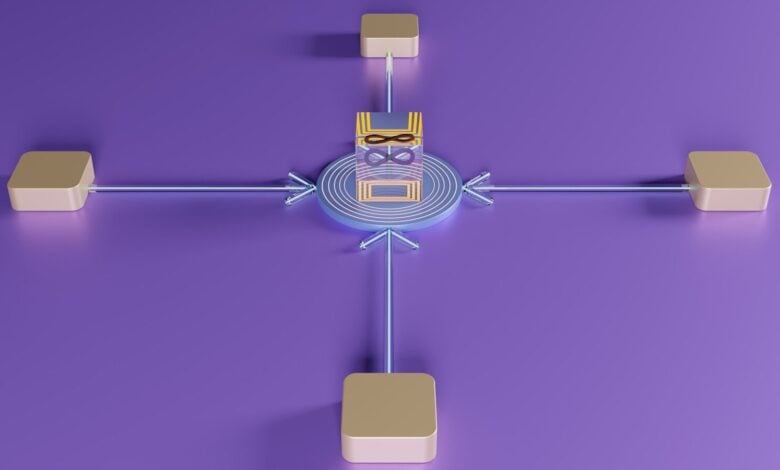
Navigating the fragmented ecosystem of modern SaaS (Software as a Service) platforms often feels like trying to orchestrate a symphony where every musician is reading from a different sheet of music. Operations teams routinely lose dozens of productive hours every month to a hidden tax: the manual synchronization of data between mismatched productivity apps, CRM systems, and communication channels. Overcoming this friction requires an ecosystem capable of acting as an intelligent orchestration layer. Tylurs com delivers exactly this capability by serving as a unified integration architecture that harmonizes data flows, automates complex conditional workflows, and bridges the gaps between disparate business applications without requiring custom code backends.
My journey through digital operations management taught me that the biggest bottleneck to scaling a business isn’t a lack of tools, but rather the isolation of those tools. When software systems operate in silos, data decays rapidly, and manual data entry errors compound across departments. Implementing a central integration framework addresses this vulnerability directly, transforming isolated operational nodes into a responsive, real-time ecosystem.
Why Workflow Fragmentation Destroys Operational Velocity
Most enterprise operations suffer from micro-losses in productivity that occur when employees switch contexts between different digital tools. Harvard Business Review highlights that the cognitive cost of toggling between distinct applications causes significant mental fatigue, reducing overall focus and task accuracy. For a mid-sized digital team, managing five to seven unlinked platforms can result in a 20% reduction in weekly output.
Operational drag manifests in subtle ways, such as delayed client onboarding, mismatched inventory records, or lost sales leads sitting in unread notifications. My approach to addressing this issue focuses on deploying middleware solutions that eliminate the need for manual intervention. Utilizing tylurs com allows us to construct robust automated links between platforms, ensuring that an update in one application instantly triggers appropriate downstream actions across the entire technical infrastructure.
Developing a reliable automation framework requires moving past simple point-to-point connections. True operational agility demands a multi-tiered architecture capable of evaluating complex conditions, transforming payload data on the fly, and handling API (Application Programming Interface) rate limits gracefully. Establishing this level of systemic integration turns a fragile collection of software utilities into a powerful, self-sustaining operations engine.
The Architectural Pillars of High-Performance Automation
Building an automated infrastructure requires an understanding of how data passes securely and efficiently between web services. When setting up automated sequences within tylurs com, the structural design relies on three core elements: webhooks, data mappers, and conditional logic filters.
-
Real-Time Webhooks: Instantaneous data transmissions triggered by specific events, removing the need for resource-heavy server polling.
-
Data Transformation Mapping: Systems that translate variable formats—such as converting JSON objects into XML structures—ensuring seamless readability between different software engines.
-
Conditional Logic Gates: Sequential rules (if/then statements) that route information down specific operational pathways based on precise criteria.
[Trigger Event] ──> [Webhook Payload Received] ──> [Conditional Logic Check]
                                                            │
                                                            ├── (Passes) ──> [Data Mapping & Transformation] ──> [Action Executed]
                                                            └── (Fails)  ──> [Log Created & Sequence Halted]
To visualize how these automated pipelines optimize business performance compared to legacy methods, consider the architectural variables detailed below.
| Operational Vector | Legacy Manual Upkeep | Basic Point-to-Point Sync | Advanced Tylurs Com Framework |
| Data Latency | 4 to 24 Hours (Batch processing) | 15-Minute Scheduled Intervals | Real-time (Sub-second execution) |
| Error Vulnerability | High (Human oversight errors) | Medium (Prone to unhandled API changes) | Low (Automated error catching & retries) |
| Engineering Overhead | None (Heavy administrative cost) | High (Requires ongoing dev maintenance) | Minimal (No-code visual building blocks) |
| Scalability Potential | Extremely Low (Tethered to headcount) | Limited (Restricted by rigid code structures) | High (Dynamic resource scaling on demand) |
Implementing Advanced Data Transformations for Scale
A common obstacle in system architecture is the misalignment of data fields between different platforms. For instance, a legacy database might export a customer profile with a single unified name field, while a modern CRM requires separate first and last name values. Resolving this discrepancy requires an inline data transformation engine capable of splitting, parsing, or formatting text mid-transit.
During a recent operational overhaul for a media network, our team faced a massive data formatting bottleneck. We were handling thousands of incoming digital assets every hour, each carrying inconsistent metadata tags. By leveraging the advanced formatting modules on tylurs com, we engineered an automated filtering system that standardized incoming strings, converted timestamps into a singular timezone format, and scrubbed trailing whitespace before the data touched our main servers.
Raw Input String: "  rossi, marco | 2026-06-14T00:45:31Z  "
       │
       ▼ (Scrub Whitespace)
"rossi, marco | 2026-06-14T00:45:31Z"
       │
       ▼ (Parse Text by Delimiter)
Field [0]: "rossi, marco"  |  Field [1]: "2026-06-14T00:45:31Z"
       │
       ▼ (Invert & Map Fields)
First Name: "Marco"  |  Last Name: "Rossi"  |  ISO Timestamp: "2026-06-14 00:45:31"
This structural transformation directly improved our data cleanliness metrics. Clean data pipelines prevent broken synchronization loops, lower cloud storage computing costs, and ensure that internal reporting suites receive accurate, validated information. According to data architecture research from organizations like the Massachusetts Institute of Technology (MIT), clean data integration reduces long-term maintenance costs by up to 35%, confirming the value of early-stage optimization.
Step-by-Step Guide to Deploying a Resilient Automated Pipeline
Setting up a robust workflow automation sequence requires following a logical, step-by-step deployment pattern to prevent errors under heavy production loads. This blueprint outlines how to build a resilient data bridge that handles unexpected API issues while maintaining systemic integrity.
Once this pipeline goes live, continuous monitoring ensures the workflow operates smoothly. Tracking execution logs allows you to pinpoint slow API responses and optimize data pathways, ensuring the automated environment scales seamlessly alongside growing transaction volumes.
Frequently Asked Questions About Tylurs Com
How does this platform handle sudden spikes in API traffic?
The underlying architecture utilizes dynamic load-balancing systems that scale computing resources horizontally during high-volume events. If an external service throttles requests, the integration engine queues inbound payloads safely, processing them automatically as soon as the destination API capacity opens back up.
Can custom scripts be injected into the visual automation loops?
Advanced users can deploy custom JavaScript or Python code blocks directly inside the workflow path to handle complex data manipulation. This hybrid approach combines the speed of a visual no-code builder with the flexibility of traditional software programming for complex edge cases.
What security standards are enforced during data transit?
All data moving through the system is secured using TLS 1.3 encryption during transit and AES-256 encryption at rest. The platform adheres to strict compliance frameworks, ensuring that sensitive user records are scrubbed from intermediate transaction logs immediately after a workflow run completes successfully.
Optimizing Workflows for the Future of Automation
The digital landscape is shifting toward hyper-automated ecosystems where machine learning models work directly alongside standard software integrations. The true value of centralizing operational logic on a platform like tylurs com lies in its long-term adaptability. As new AI analysis tools, predictive engines, and database systems enter the enterprise market, a flexible integration layer ensures businesses can adopt these technologies without rewriting their entire technical core.
Transitioning away from manual asset management and disconnected apps protects an organization against operational bottlenecks. Investing time into building clean, automated data pipelines creates a resilient infrastructure capable of scaling effortlessly. Taking control of software integration patterns reduces operational friction and frees up valuable team resources to focus on strategic growth.