How Telematics Became the Brain Behind Modern Mobility

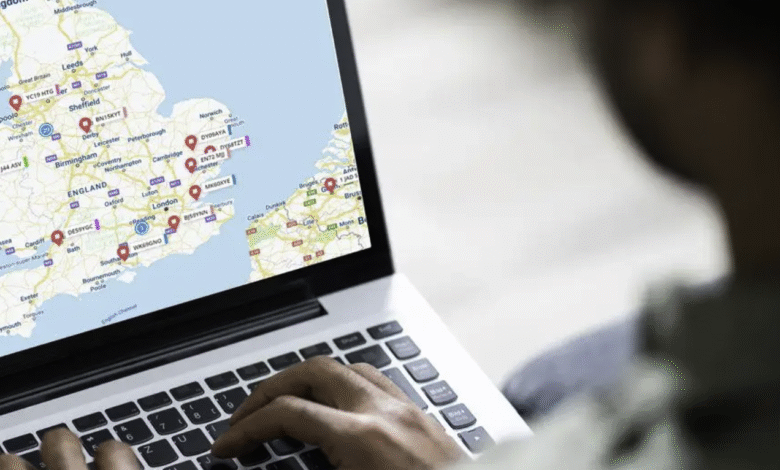
Mobility today is powered not just by engines and fuel but by data and intelligence. Every journey, every delivery, and every route can now be monitored, analysed, and improved in real time. The technology driving this shift is telematics, the invisible brain behind modern transport systems.
What Is Telematics?
Telematics is the combination of telecommunications and informatics. It connects vehicles to central systems that collect and analyse information such as location, speed, fuel use, and engine health. This technology allows businesses and organisations to understand how their vehicles are being used and to make smarter, data-based decisions. Telematics solutions have become vital to efficient operations, helping businesses improve visibility, safety, and productivity.
How It All Began
The origins of telematics can be traced back to early vehicle tracking systems developed for military and satellite use in the 1960s and 1970s. By the 1990s, commercial fleets began using GPS tracking to monitor deliveries and driver performance.
As technology advanced, telematics became more sophisticated, integrating sensors, communication units, and onboard diagnostics. Today, it plays an essential role in logistics, car-sharing, insurance, and even smart city infrastructure.
How Telematics Powers Modern Mobility
- Real-Time Insights for Smarter Operations
Telematics gives fleet managers instant access to information about their vehicles. They can see where each vehicle is, how it’s being driven, and whether it’s performing efficiently. This visibility helps reduce idle time, improve scheduling, and prevent costly breakdowns before they happen.
- Improved Safety and Driver Performance
Monitoring driving habits such as harsh braking or speeding allows companies to encourage safer driving through training and feedback. Over time, this leads to fewer accidents, lower insurance costs, and a stronger safety culture.
- Fuel Efficiency and Environmental Impact
Telematics data reveals exactly where fuel is being wasted. By identifying inefficient routes or poor driving behaviour, businesses can reduce fuel consumption and emissions. This supports both profitability and sustainability goals.
- Predictive Maintenance
Instead of waiting for vehicles to fail, telematics provides early warnings when maintenance is needed. Regular updates on engine performance, tyre pressure, or oil levels mean repairs can be scheduled at convenient times, keeping vehicles road-ready and avoiding unexpected costs.
- Connected Ecosystems and Smart Mobility
Telematics doesn’t just benefit fleets; it powers connected transport networks too. From ride-sharing services to public transport, vehicles can now communicate with infrastructure and each other, creating more efficient and safer mobility systems.
- Data-Driven Decision-Making
With access to detailed analytics, managers can make informed strategic decisions. They can identify which routes are most profitable, which vehicles are underused, and how to scale operations effectively. Telematics turns data into a long-term competitive advantage.
Why Telematics Is the “Brain” of Modern Transport
Telematics sits at the centre of every movement, collecting data and feeding it into systems that optimise performance. It transforms vehicles from simple machines into intelligent assets that support business growth, safety, and sustainability.
In the same way the brain controls and coordinates the human body, telematics controls and connects fleets, helping them think, adapt, and evolve.
Challenges and Considerations
While the benefits are clear, adopting telematics requires planning. Companies need to manage data responsibly, ensuring driver privacy and cybersecurity. Training is also essential so that staff can interpret and act on the information telematics provides. When used well, the technology becomes a tool for empowerment, not surveillance.
The Future of Telematics
The next generation of telematics will integrate with artificial intelligence and machine learning, allowing vehicles to make predictive decisions. Electric and autonomous vehicles will rely heavily on telematics for maintenance, routing, and communication. As cities grow smarter, telematics will continue to link vehicles, infrastructure, and people in seamless, sustainable ways.