Defence Day Fight Night and Patriotic Boxing Events in Pakistan

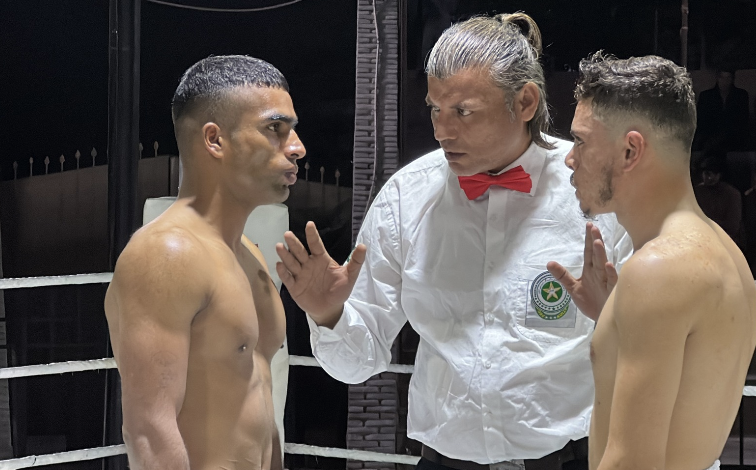
Boxing events aligned with national commemorations serve dual purposes in Pakistan, celebrating patriotic sentiment while providing competitive opportunities for developing fighters. These occasions reveal how boxing intersects with national identity and civic pride.
Defence Day’s Historical Significance
Pakistan observes Defence Day annually on September 6th, commemorating the country’s defense during the 1965 war with India. The date holds deep patriotic meaning, with ceremonies honoring military sacrifice and national resilience. Government institutions, schools, and civic organizations mark the occasion through various commemorative activities.
Boxing events scheduled around Defence Day tap into this patriotic sentiment, framing athletic competition as celebration of national strength and determination. The symbolism connects military defense with individual combat sports, suggesting parallels between soldiers protecting the nation and boxers demonstrating physical courage in the ring.
The September 7, 2021 Defence Day Fight Night in Quetta exemplified this pattern, scheduling boxing competition immediately following the commemorative date. Held at the Garrison Sports Complex, a military facility, the event’s location reinforced connections between boxing and martial traditions. The complex hosts various sports activities for military personnel and occasionally opens for civilian events, making it suitable for boxing cards attracting both military and civilian audiences.
Structure and Organization of Patriotic Boxing Events
Defence Day Fight Nights typically feature multiple bouts across different weight classes, creating full evening cards rather than single-fight spectacles. This structure provides opportunities for numerous fighters while offering audiences varied matchups maintaining interest throughout the event. Professional and amateur bouts might share the same card, though they follow different rules and typically occur in separate portions of the program.
The 2021 Quetta event included Muhammad Rehan Azhar from Peshawar facing Taimoor “Diamond Boy” Khan in what was designated a main card attraction. The scheduled four-round bout ended quickly when Khan secured a knockout at 1 minute and 23 seconds into the first round. Main card placement suggests both fighters had earned recognition within Pakistan’s boxing community, though Azhar’s 1-2 professional record indicated he remained in early career stages.
Event organization requires coordinating venue arrangements, securing licensed officials (referees and judges), arranging medical personnel, and recruiting adequate fighter pairs. The military’s involvement through garrison facilities provides organizational infrastructure and resources that purely civilian promoters might struggle to mobilize. This military support helps explain why Defence Day events occur more reliably than other regional boxing competitions.
Quetta’s Boxing Tradition
Quetta has maintained active boxing culture for decades. The city produced Haider Ali, who won gold at the 2002 Commonwealth Games in the featherweight division before transitioning to professional boxing. Balochistan’s sporting traditions include various combat and strength-based activities, with boxing fitting naturally within this cultural context.
The Garrison Sports Complex provides one of Quetta’s primary venues for organized sports. Military facilities across Pakistan often maintain better sports infrastructure than civilian alternatives, creating dependencies where regional boxing scenes rely on military venue access. While this arrangement enables events that might not otherwise occur, it also concentrates boxing activity around military-affiliated spaces rather than fully civilian community contexts.
Muhammad Waseem’s recent achievement brought international boxing attention to Quetta. His WBA Gold Bantamweight title victory occurred at the Quetta Polo Club in May 2025, representing Pakistan’s first international boxing championship hosted domestically. This historic event demonstrated Quetta’s capacity to host world-class boxing, potentially encouraging future international competitions in the city.
The Fighter Experience at Patriotic Events
For fighters like Azhar, Defence Day Fight Night represented valuable competitive opportunity regardless of outcome. His participation required traveling from Peshawar to Quetta, involving logistical coordination and personal expense. Regional fighters often self-fund travel and accommodation for bouts offering minimal disclosed purses, viewing competition as necessary investment in career development despite immediate financial losses.
Main card placement at a marquee event like Defence Day Fight Night provides exposure beyond typical regional cards. Larger audiences attend patriotic sporting events, potentially including scouts, coaches, or promoters who might offer future opportunities. Even unsuccessful performances can yield connections and visibility that isolated training in home gyms cannot provide.
The first-round knockout loss likely affected Azhar’s subsequent career trajectory significantly. Early knockout defeats damage fighter confidence and professional reputation, making promoters hesitant to offer future bouts. The psychology of recovering from devastating losses requires mental resilience and supportive coaching, resources not all fighters access. Questions about Azhar’s current status suggest he may have stepped away from competitive boxing following the setback, though definitive information remains unavailable.
Audience Dynamics and Public Engagement
Defence Day events attract audiences motivated by patriotic sentiment alongside boxing interest. Families might attend as part of broader Defence Day commemorations, bringing children and elderly relatives who wouldn’t typically attend boxing events. This demographic diversity creates different atmospheres compared to regular boxing cards drawing primarily dedicated fight fans.
The patriotic framing potentially sanitizes boxing’s violent aspects for mainstream audiences. Presenting bouts as displays of national strength and courage rather than simply men hitting each other makes the sport more palatable for spectators who might otherwise find boxing brutal or distasteful. This reframing could help boxing gain broader social acceptance in Pakistan.
However, casual audiences lack the technical knowledge appreciating boxing’s finer points. They might respond primarily to knockouts and obvious dominance while missing the tactical sophistication that dedicated fans recognize. This affects what types of fights promoters schedule for patriotic events, potentially favoring aggressive strikers likely to produce exciting finishes over technical boxers whose skills require educated audiences to appreciate.
Military Involvement and Institutional Support
Pakistan’s military maintains extensive sports programs for personnel, including boxing training and competition. Military boxing produces many fighters who transition to civilian competition or remain within departmental systems while competing nationally. The institutional support provides resources unavailable to purely civilian boxing programs.
Garrison sports complexes across Pakistan host not only military athletic activities but also civilian events when facilities become available. This arrangement benefits civilian sports, including boxing, by providing access to quality infrastructure. However, it also creates dependency relationships where civilian sports organizations must negotiate with military authorities for venue access rather than controlling their own facilities.
The symbolism of military-hosted boxing events reinforces associations between combat sports and martial culture. For some audiences, this connection enhances boxing’s legitimacy and importance. For others, the military framing might discourage participation or attendance, particularly among populations with complicated relationships with military institutions.
Comparative Patriotic Sporting Events
Cricket dominates Pakistani sports culture, with matches against India carrying immense patriotic weight. These contests become national events transcending sport itself, serving as proxy competitions between nations. Boxing lacks cricket’s following, but patriotic boxing events attempt capturing similar sentiments on smaller scales.
Football (soccer) also sees patriotic framing, particularly when Pakistan’s national team competes internationally. However, boxing’s individual nature creates different dynamics than team sports. A boxer represents both himself and nation simultaneously, with victory or defeat reflecting personally in ways team sport outcomes distribute across multiple athletes.
Independence Day (August 14) provides another potential anchor for patriotic boxing events, though Defence Day appears more commonly used. The military’s institutional involvement with boxing possibly explains Defence Day’s prevalence as the preferred patriotic boxing occasion, given the date’s specific military commemoration compared to Independence Day’s broader national celebration.
Economic Considerations for Event Sustainability
Organizing boxing events requires funding for venue rental (if not provided free by military facilities), official fees, medical personnel, insurance, equipment, and ideally fighter purses. Patriotic events might secure government or military funding unavailable for regular boxing cards, helping offset organizational costs.
Ticket sales provide revenue but rarely cover full event costs for developing boxing markets. Pakistani boxing lacks the fan base generating substantial ticket revenue comparable to cricket matches or major football games. Patriotic framing might boost attendance beyond typical boxing audiences, improving economic viability, but probably not enough for full self-sustainability.
Corporate sponsorship represents another potential revenue source. Companies might sponsor patriotic sporting events for promotional value and positive brand associations with national pride. However, boxing’s limited media coverage reduces sponsorship appeal compared to more visible sports. Without television broadcast deals or substantial social media reach, patriotic boxing events struggle attracting significant corporate investment.
Media Coverage and Documentation
Defence Day Fight Night events receive minimal media documentation. Online databases like Tapology record basic fight results, including fighter records and bout outcomes, but detailed coverage, fight analysis, or post-event reporting rarely appears. This documentation gap means most bouts fade into obscurity immediately after occurring.
Local Quetta newspapers might publish brief event summaries, but provincial media rarely receive distribution beyond their immediate regions. National media focused primarily on cricket and political news rarely allocate resources covering regional boxing events, even those with patriotic themes. This invisibility prevents fighters from building public profiles and limits boxing’s broader cultural presence.
Social media provides some documentation as fighters, coaches, and attendees share photos and videos. However, this content remains scattered across individual accounts rather than aggregated through official channels providing comprehensive event coverage. Community discussions on platforms like Reddit sometimes surface when users seek information about specific fighters, demonstrating both the challenges of finding boxing information in Pakistan and the persistent interest some fans maintain despite limited official coverage.
Impact on Fighter Development
Regular competitive opportunities accelerate fighter development regardless of venue or event framing. Defence Day Fight Nights and similar patriotic events contribute to Pakistan’s boxing ecosystem by providing bouts that might not otherwise occur. Even if organizational quality or matchmaking proves suboptimal, actual ring experience develops skills impossible to acquire purely through training.
The sporadic nature of these events creates challenges. A fighter might compete at Defence Day Fight Night then wait months before another bout opportunity arises. This infrequency prevents the steady competitive rhythm optimal for development. Fighters improve faster with regular competition allowing them to apply training lessons, identify weaknesses, and track progress over time.
Patriotic event timing around specific dates creates predictable scheduling windows. Fighters know Defence Day approaches each September, allowing preparation planning. However, this predictability doesn’t guarantee bout confirmations, as fighter availability, matchmaking challenges, and organizational capacity affect whether specific athletes actually compete at any given event.
Looking Forward
Patriotic boxing events will likely continue as Pakistan maintains Defence Day commemorations and seeks sporting activities reinforcing national pride. The question becomes whether these events can evolve into more professionally organized, better-documented competitions providing higher-quality developmental opportunities for Pakistani fighters.
Improving event organization would require dedicated promotional entities focusing specifically on boxing rather than occasional military-supported events. Professional promotion brings expertise in fighter matchmaking, media coordination, sponsor cultivation, and fan engagement that ad hoc event organization cannot replicate. However, building sustainable professional boxing promotion in Pakistan requires addressing the same resource constraints and limited public interest affecting the sport broadly.
The Pakistan Professional Boxing Association represents institutional efforts toward professional boxing development. Whether this organization can leverage patriotic events while building more robust competitive structures remains to be seen. Success would require balancing patriotic sentiment’s value for attracting audiences and securing support against the need for professional standards ensuring fighter safety, fair competition, and long-term sport development.
Defence Day Fight Night symbolizes both Pakistani boxing’s current state and its potential. These events demonstrate organizational capacity and public interest sufficient to support boxing competitions. They also reveal limitations in frequency, quality, documentation, and sustainability that prevent Pakistani boxing from achieving its competitive potential. Addressing these limitations while preserving what works about patriotic sporting events could help Pakistani boxing advance toward more consistent, professional operations benefiting all participants.